Painted Finch: A Charming Addition to Your Craft Fair
As an experienced embroidery designer, I'm always on the lookout for designs that not only capture the eye but also stand out in a bustling craft fair setting. The Painted Finch design is one such gem that promises both elegance and versatility, making it a perfect choice for a variety of handmade products.
First Impressions: Elegant and Eye-Catching
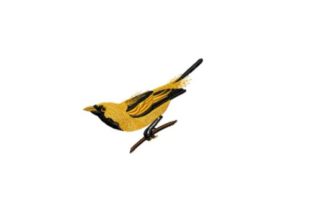
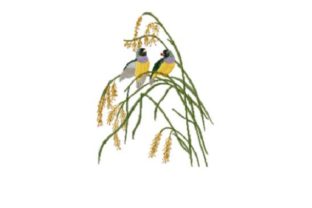
The Painted Finch design exudes a sense of refined elegance with a touch of whimsy. It's neither overly bold nor too subtle, striking a perfect balance that makes it suitable for a wide range of products. The design feels modern yet timeless, which is ideal for appealing to a broad customer base.
Tote Bags and Market Bags
On tote bags and market bags, the Painted Finch stands out beautifully. The design can be used as a large focal point or as a smaller accent, depending on the size of the bag. Its clean lines and vibrant details make it a standout feature, drawing the eye and adding a touch of sophistication to these everyday items.
Aprons and Tea Towels
For aprons and kitchen towels, the Painted Finch adds a charming and decorative element. The design works well as a small accent near the pocket or as a larger centerpiece. The fine details and stitch density are particularly important here, as they need to withstand frequent use and washing.
Caps and Patches
When it comes to caps and embroidered patches, the Painted Finch is a versatile choice. The design can be resized to fit the curved surface of a cap, and its intricate details make it a perfect candidate for patches. However, careful attention must be paid to the stitch density and stabilizer to ensure the design holds up well on these surfaces.
Fabric Pouches and Pillow Covers
Fabric pouches and pillow covers offer another canvas where the Painted Finch can shine. These items often require a more delicate and detailed design, and the Painted Finch fits this bill perfectly. The design adds a touch of elegance and can be used as a focal point or a repeated pattern, enhancing the overall aesthetic of the product.
Practical Selling and Production Points
One of the key strengths of the Painted Finch is its visual clarity. The design is easy to understand at a glance, making it attractive to customers who are quickly browsing through a craft fair. It works well as both a small accent and a large focal design, providing flexibility in how it can be incorporated into various products.
Photographing the Painted Finch for online listings is straightforward. The design's clear lines and vibrant colors make it easy to capture in high-quality images, which is crucial for Etsy sellers and other digital platforms. Additionally, the design feels repeatable for batch production, which is essential for maintaining consistency and meeting demand.
Careful-Use Notes
- Dense Stitch Areas: Be mindful of dense stitch areas, especially on thinner fabrics like tea towels. Test the design on scrap fabric to ensure it doesn't pucker or distort.
- Tiny Details: The Painted Finch has some intricate details that may not translate well at very small sizes. Ensure the design retains its clarity when resized.
- Thick Fabric and Textured Towels: Use a heavy-duty stabilizer for thick fabrics and textured towels to maintain the integrity of the design.
- Curved Cap Surfaces: Adjust the design for curved surfaces like caps to avoid distortion. A good stabilizer and proper hoop tension are crucial.
- Dark Fabric: Choose thread colors that provide good contrast against dark fabrics to ensure the design stands out.
Enhancing Visual Appeal and Customer Engagement
The Painted Finch enhances the visual appeal of any product, adding a touch of elegance and charm. This can significantly boost the perceived value of your handmade items, making them more attractive to potential buyers. The design's versatility and adaptability also help in creating a cohesive and professional look for your brand, whether you're selling at a craft fair or online.
Embroidery Designer Tips
- Test the Design: Always test the Painted Finch on scrap fabric before using it on your final product. This helps you identify any issues with stitch density, thread colors, and stabilizer compatibility.
- Check Thread Contrast: Ensure the thread colors provide good contrast against the fabric. This is especially important for dark and textured fabrics.
- Review Spacing and Placement: Carefully review the spacing and placement of the design, especially on smaller items like patches and caps.
- Confirm Hoop Size: Make sure the hoop size is appropriate for the design and the fabric you are using. This ensures even stitching and prevents distortion.
- Inspect Stitch Density: Check the stitch density to ensure the design looks crisp and clean. Adjust as needed for different fabric types.
- Use the Right Stabilizer: Select the right stabilizer for the fabric and the design. This is crucial for maintaining the quality and longevity of the embroidery.
- Create Mockups: Create at least one real mockup of the Painted Finch on the intended product. This helps you see how the design will look in a real-world setting and make any necessary adjustments.
- Compare Fabric Colors: Experiment with different fabric colors to find the best match for the Painted Finch. This can greatly enhance the overall look of your finished product.
- Confirm Commercial Licensing: Before selling any finished products, confirm that you have the necessary commercial licensing for the Painted Finch design. This is essential for legal and ethical business practices.
In conclusion, the Painted Finch is a versatile and elegant design that can elevate a wide range of handmade products. By following these practical tips and carefully considering the design's application, you can create beautiful, high-quality items that are sure to attract and engage customers at your next craft fair or online marketplace.